Doha World Cup quarter-finals: the eight ties, Spain's numbers and the rackets that actually win
The group stage closed with Spain and Argentina unbeaten in both draws and the knockout rounds start today: Sweden and Brazil await the Spanish teams, Germany and Portugal the Argentinians. A breakdown of all eight ties, the numbers behind the two powers, and one equipment detail almost nobody looks at — both world No. 1s play with a teardrop.
Redacción PalaComparer · · 7 min read
Three days of group stage have left the Doha World Padel Championships with two clear owners and eight ties to come. Spain and Argentina closed the first phase unbeaten in both draws, without losing a single tie, and this Thursday 5 November the real tournament starts: quarter-finals at the Khalifa International Tennis & Squash Complex, with the women from 12:00 and the men from 16:00 (CET).
From here there is no margin. One bad 40 minutes and you are out.
Spain: eighteen sets, nine games
Carolina Navarro's team have won all nine of their matches (3-0 over Germany, 3-0 over Great Britain, 3-0 over Brazil) and have conceded nine games across eighteen sets. Nine. In three ties at a World Championship.
On Wednesday, against Brazil, all three pairs finished in under an hour: Ari Sánchez and Marta Ortega opened with 6-1, 6-1 over Piltcher and Giusti; Gemma Triay and Claudia Fernández posted a double 6-0 over Hossen and Acunha in their reunion; and Martina Calvo and Andrea Ustero closed it 6-2, 6-0 against Cirne and Abbud. Navarro has shared the minutes across all eight players and none of them has dropped the level. In a five-day format with a knockout every day, that is worth as much as talent.
One set in nine matches
Juanjo Gutiérrez's men have won all nine matches and have dropped a single set in the whole tournament. Against the United Arab Emirates on Wednesday the 3-0 was routine: Juan Lebrón and Javi Leal, 6-0, 6-1; Paquito Navarro and Jon Sanz, 6-0, 6-2; and Mike Yanguas with Coki Nieto, a double 6-1, with Coki making his World Cup debut.
The interesting part is not the scoreline, it is the squad management: Leal came in for the injured Ale Galán and has already played two ties; Paquito has gone from Lebrón's partner to Sanz's without a wobble; and Coki waited until the last day of the groups. Eight pieces, nine matches, no weak spot.
The four women's ties
- Spain v Sweden (12:00, Grand Stand 1). The Swedes finished second in Italy's group and are the most manageable rival of the four. That is exactly the risk: Spain have won nine matches out of nine and have not dropped a set, and in a format with a knockout every day, a lapse costs you forty minutes.
- Argentina v Portugal. On paper, the toughest tie for the Argentinians. Delfi Brea and Claudia Jensen arrive off a double 6-0 in their last group match; Osoro and Fassio off 6-2, 6-2; Riera and Bidahorria off 6-1, 6-1 against France.
- Netherlands v France. The Dutch produced the surprise of the group stage by beating Portugal and arrive as group winners. France, beaten 3-0 by Argentina, are playing for one card: their top pairs.
- Italy v Brazil. The most open of the four. Brazil have grown through the tournament after losing to Germany and to Spain, and Italy arrive with the best record in their group.
The four men's ties
- Spain v Brazil (from 16:00). The tie everyone in Doha has been watching. Brazil come out of Italy's group and arrive with the tag of an awkward opponent: plenty of hands, plenty of tempo and no hurry. Spain have won nine matches out of nine, but this is the first rival that can hit the ball back with interest.
- Argentina v Germany. The Germans are order and physique. Argentina arrive with more names, but also with the only crack they have shown in the tournament.
- Portugal v Netherlands. Portugal won their group and have one of the best drives in the draw; the Netherlands finished second in Argentina's group.
- Italy v Sweden. The least glamorous tie and the tightest: Italy dominated their group and Sweden finished second in Spain's.
Argentina and the scare they needed
Tapia and Libaak took Argentina's first real knock on Wednesday. Fonteny and Joris won the opening set and briefly dreamed of an upset before the Argentinians turned it around: 5-7, 6-3, 6-4 in one hour and 46 minutes. Stupaczuk and Chingotto solved theirs without drama (6-2, 6-1 over Boronad and Robert) and Alfonso and Di Nenno closed the tie.
Argentina winning 3-0 with a scare is, in fact, good news for the tournament: they reach the quarter-finals with the lesson learned and without the sense of invulnerability that sometimes follows unbeaten teams.
The final, in separate halves
The draw has split down the middle: Spain and Argentina are in different halves, so the duel everyone wants — the one that decided the men's title two years ago — can only arrive on Saturday. That is the direct consequence of both nations topping their groups: first place protects you from the other big team until the final.
The price is that any slip in the quarter-finals sends you home empty-handed. And in a tournament of three matches per tie, the margin is tiny.
The racket of the man on top is not the one they sell you
There is an equipment detail that comes up every time you look at the Doha draw, and it is worth knowing before you buy: both world No. 1s play with a teardrop, not a diamond.
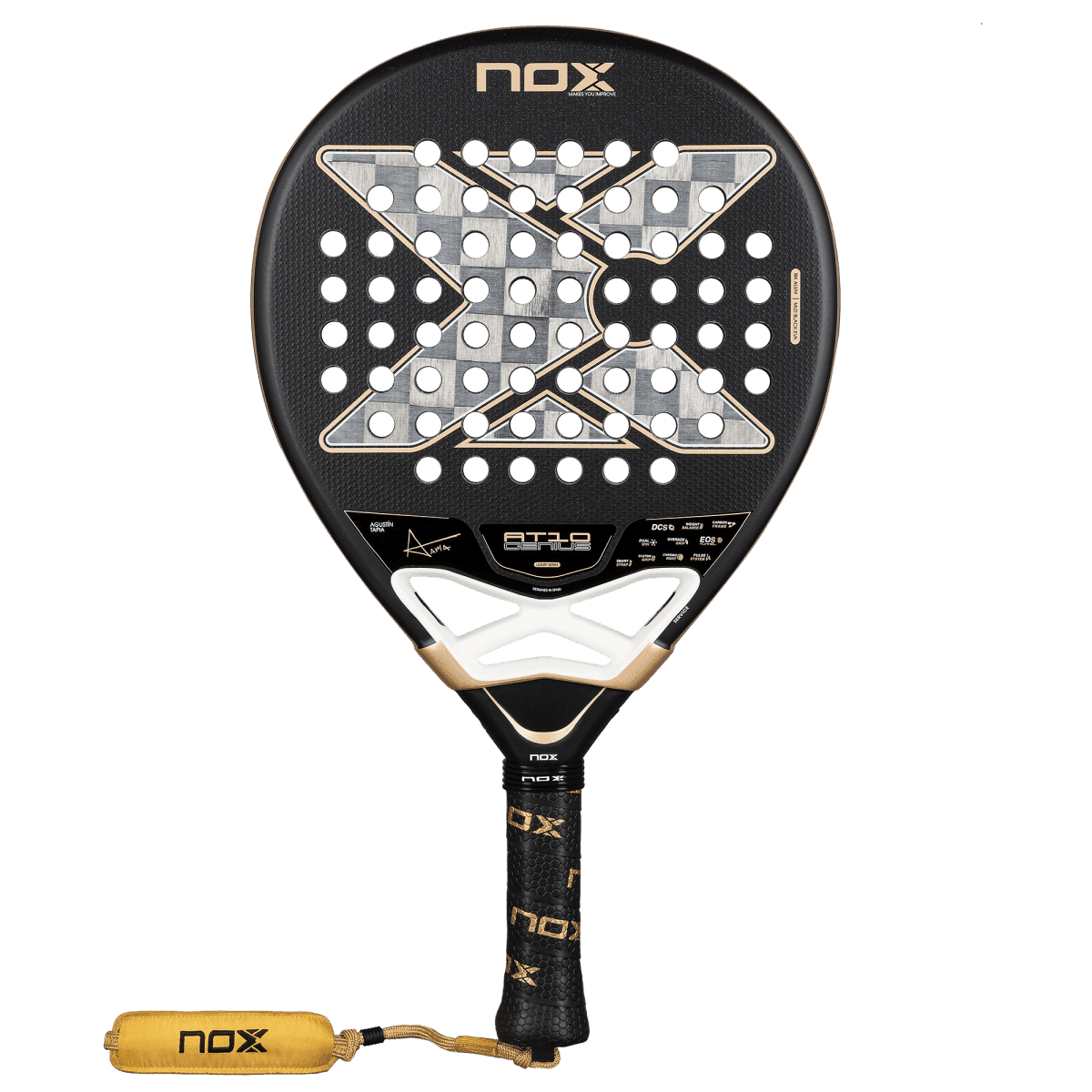
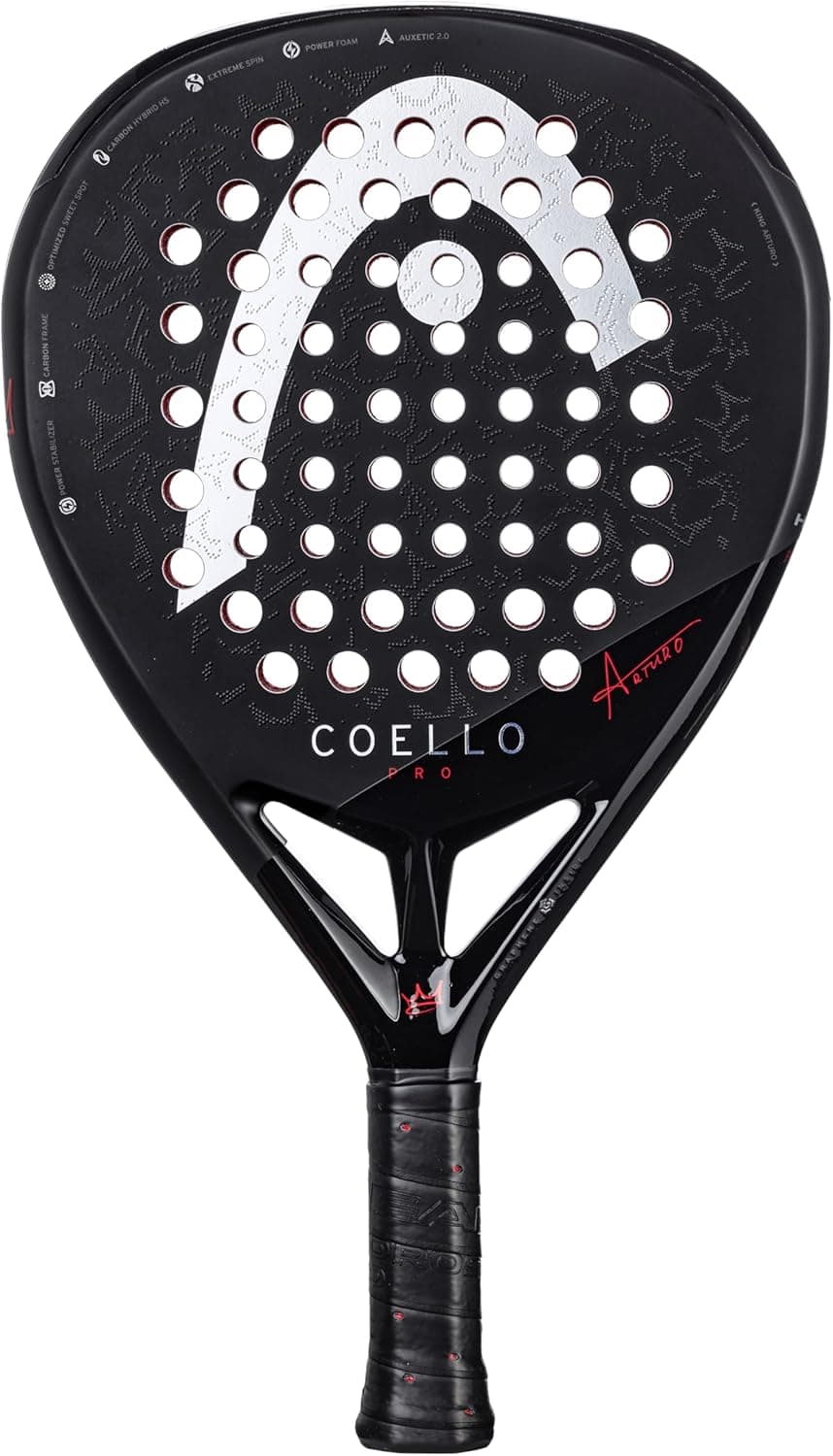
Agustín Tapia, who this year sealed his fourth consecutive season as world No. 1 alongside Coello, plays the Nox AT10 Luxury Genius 18K Alum 2026 by Agustín Tapiafrom 169,90 €: teardrop shape, 360-375 grams, medium balance and an MLD Black Eva core. Arturo Coello uses the Head Coello Pro 2026from 142,11 €, also a teardrop, with a FOAM core and 365-380 grams. Two finishers winning titles with the shape marketing sells to defenders.
The explanation is simple: a diamond gives you one extra point of power and one less point of margin. Twenty centimetres from the glass, with the ball kicked up and the match level, that margin is worth more than the power. The players who genuinely hit hard do not need the racket to help them hit hard.
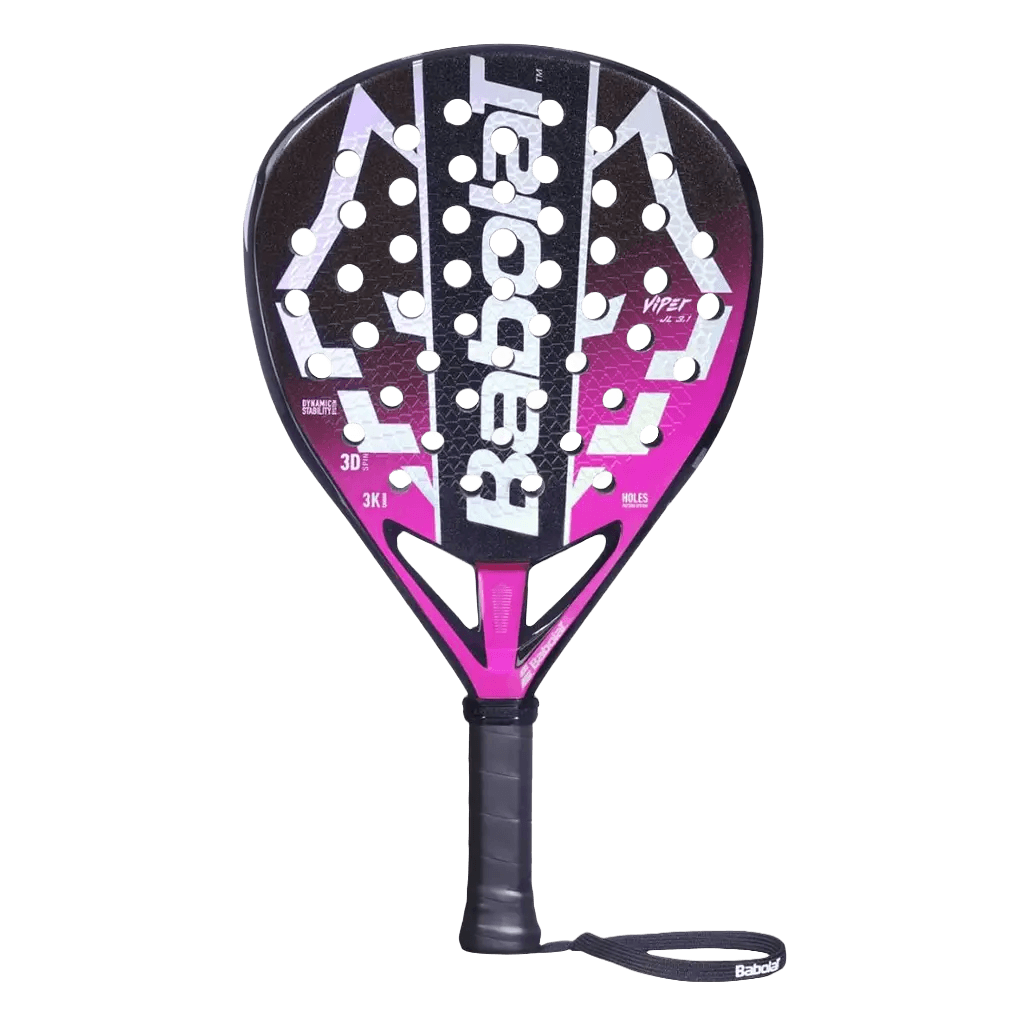
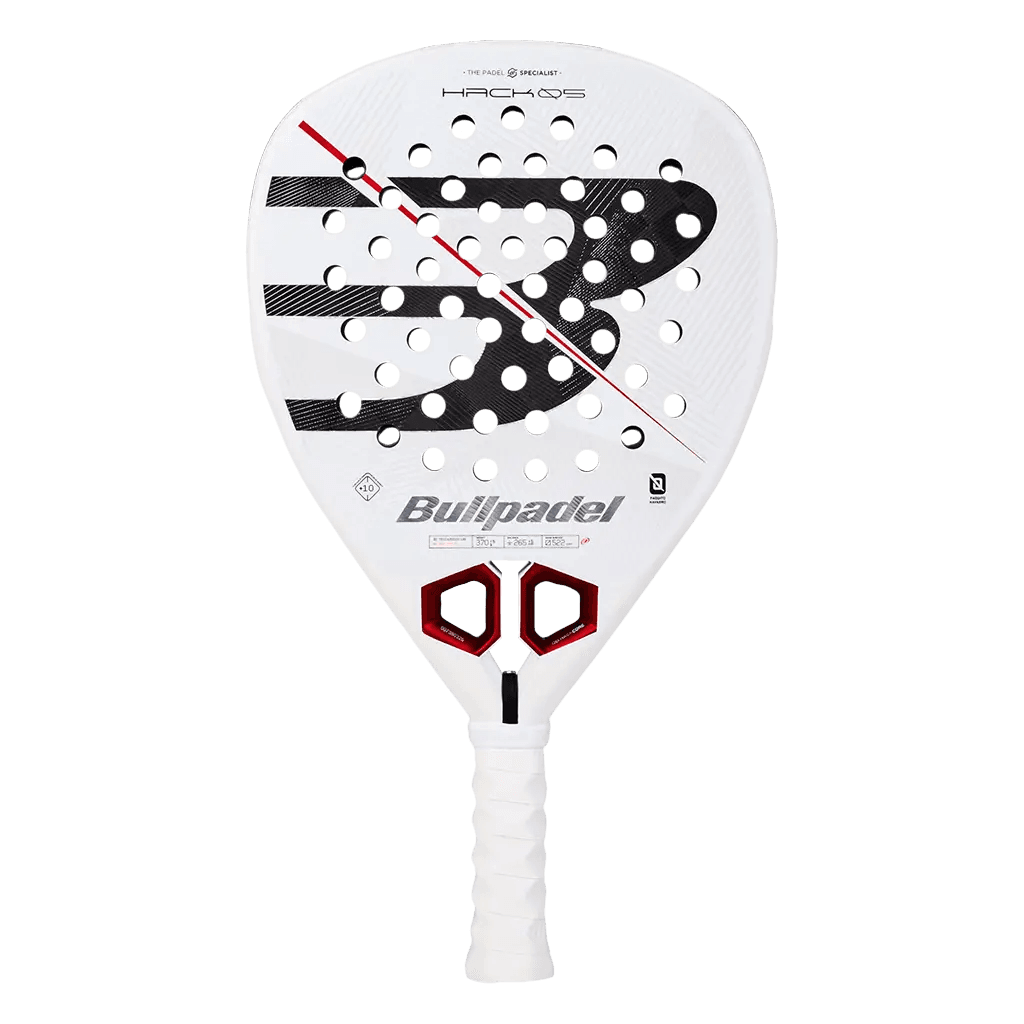
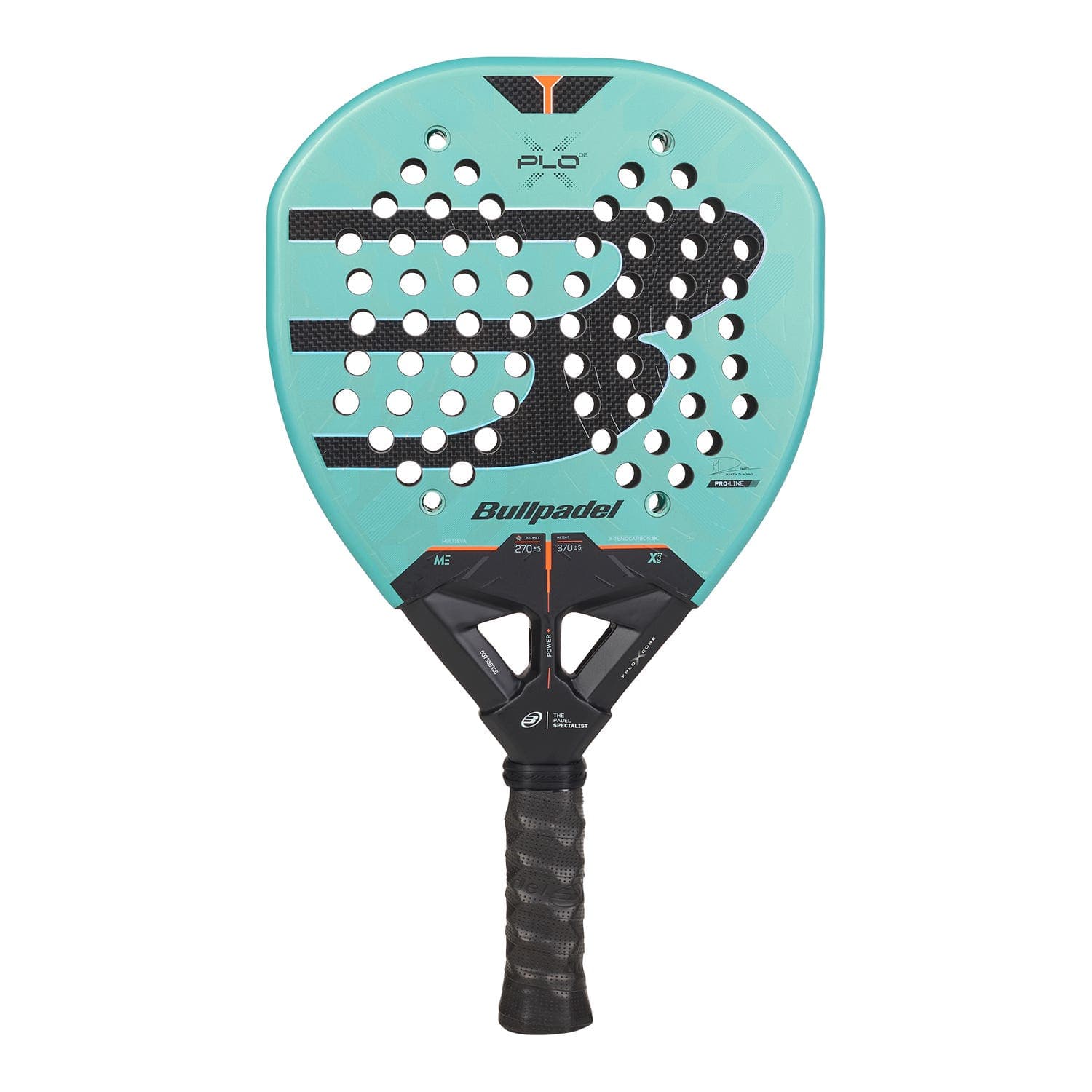
The diamonds live at the other end of the draw. Juan Lebrón plays the Babolat Viper 3.1from 351,99 € (diamond, high balance, Hard EVA, 360-380 g); Paquito Navarro, the Bullpadel Hack 05from 284,99 € (diamond, MultiEVA, TriCarbon 18K); Leo Augsburger, the Siux Fenix Pro Black 2027from 261,95 €; and Martín Di Nenno, the Bullpadel XPLO 02from 296,99 €.
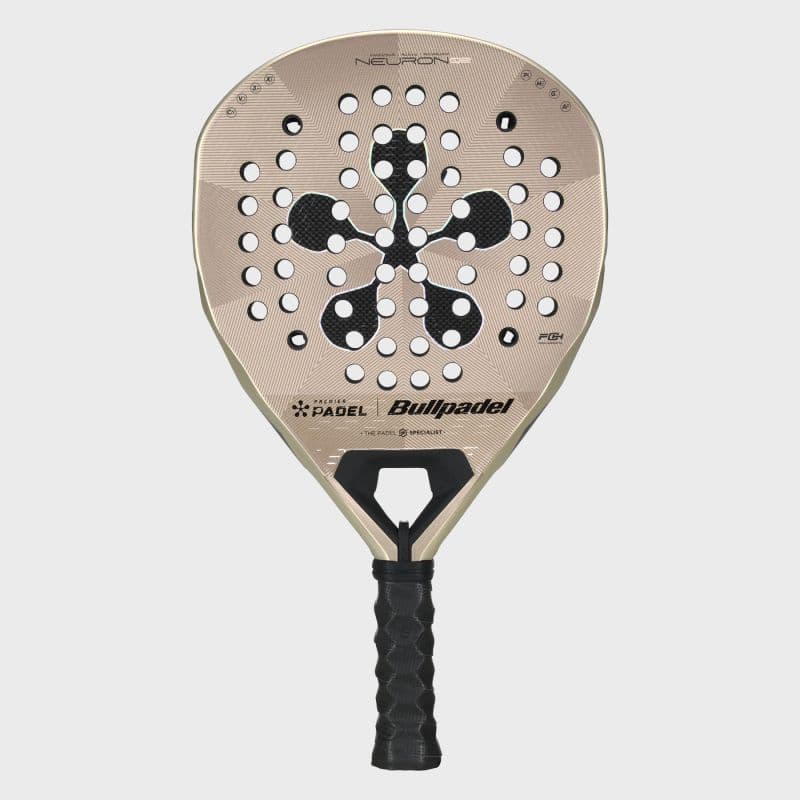
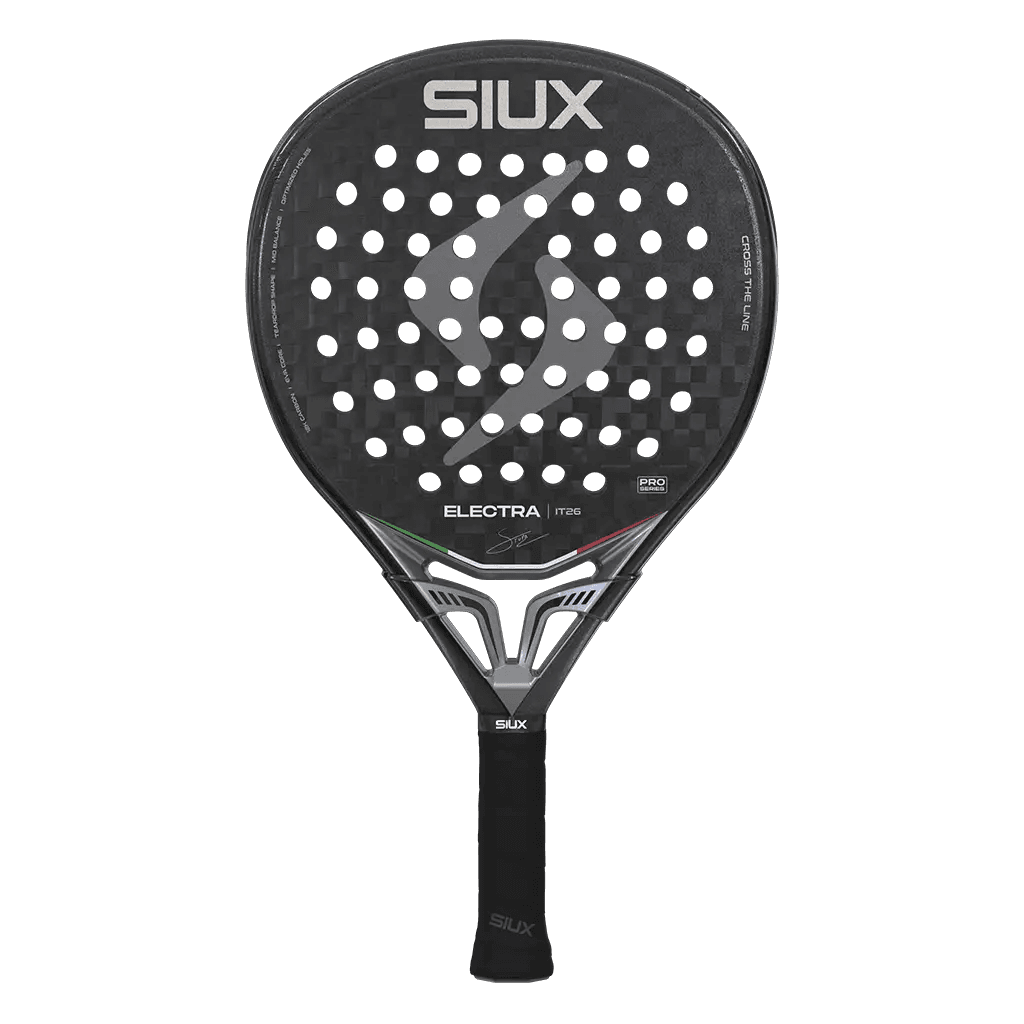
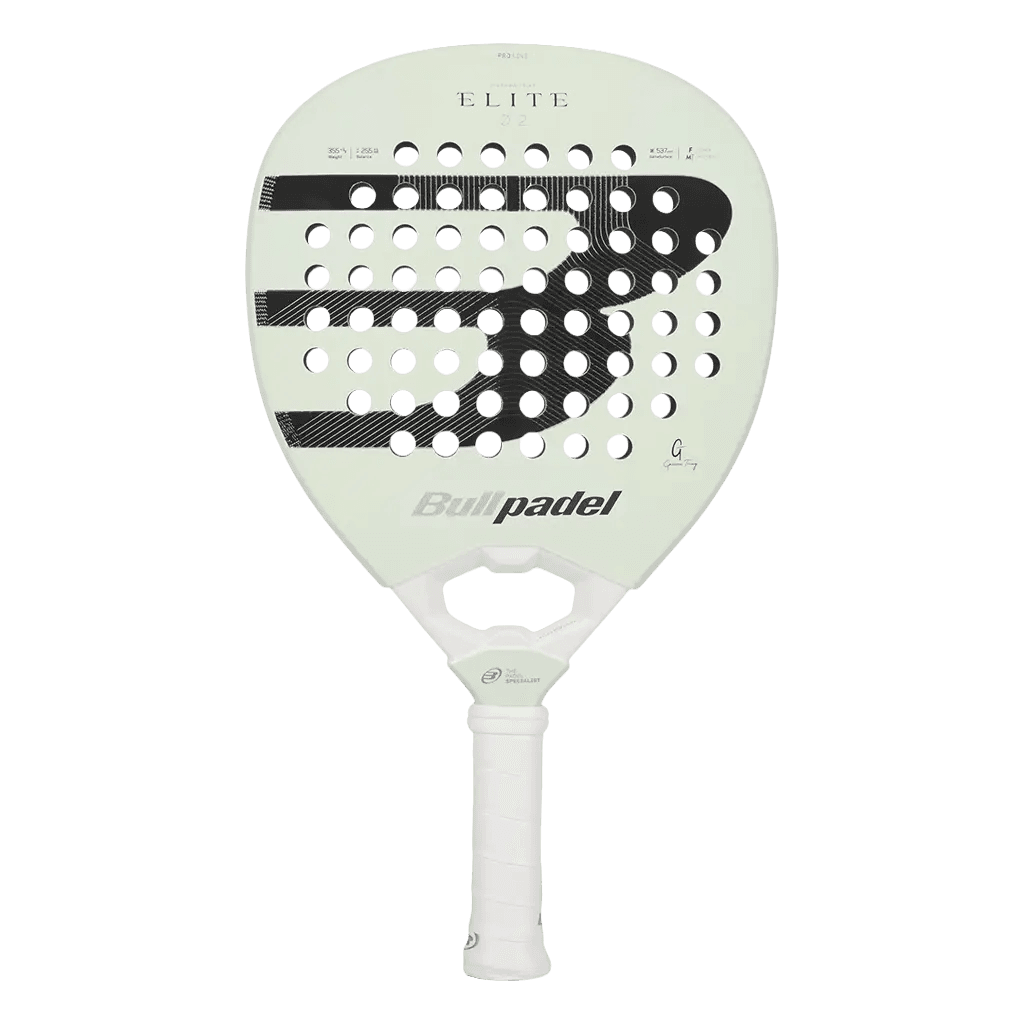
And there is a third school, the hybrid one: Federico Chingotto with the Bullpadel Neuron 02from 213,90 € and Franco Stupaczuk with the Siux Electra Pro IT 26from 232,99 €, which is a teardrop but with an EVA rated 8/10 on hardness — a teardrop that pushes. In the women's draw, Gemma Triay uses the Bullpadel Elite 02from 241,99 €, a hybrid at 350-360 grams, and Delfi Brea the Vertex 05 Woman, a diamond with the weight kept down at 350-360 grams.
The story the tournament has already given us
It is not all about the main draw. The group stage produced a record: Ornella Beltramino, a 13-year-old from Miami, became at 13 years, 1 month and 27 days the youngest player ever to debut at a senior World Championship. She won her match alongside Marta Morga (1-6, 6-4, 6-4 against Portugal) and won again against Paraguay, although the United States did not reach the quarter-finals. Her story is the best proof that padel has stopped being a sport for veterans.
If you want to understand why Tapia wins with a teardrop while your club mate buys a diamond, we break it down in this guide to racket shapes. Doha shows all three schools on the same court; so does your club.