Acapulco, 1969: the Major returns to padel's birthplace with Tapia and Coello chasing all four Majors
The GNP Mexico Major (23-29 November, Arena GNP Seguros) is played in the same city where Enrique Corcuera built the first padel court in 1969. Tapia and Coello defend the title that sealed their No. 1 in 2024 and 2025, this time with a clean sweep of the Majors on the line, while champion Claudia Fernández defends with a new partner.
Redacción PalaComparer · · 4 min read
The GNP Mexico Major is under way. From 23 to 29 November, the Arena GNP Seguros in Acapulco hosts the main draw of the last Major of the season, with 2,000 FIP points for the champions and a total purse of €1,044,849. And it does so, literally, in the place where the sport was born.
Because padel was not invented in a laboratory or a federation office: it was invented in the garden of a house in Acapulco.
A backyard too small for a tennis court
The story is told by the International Padel Federation itself. The year was 1969 and Enrique Corcuera, a Mexican tennis fan, wanted a court at his home in Las Brisas, Acapulco. He had no room for a regulation one, so he did the opposite of what any purist would do: he built a smaller court — 20 metres long by 10 wide — and enclosed it with three-metre walls and a tennis net in the middle.
The court was not a shrunken version of tennis; it was another game. The walls stopped being the end of the rally and became part of it: the ball could bounce off them and stay in play. Without meaning to, he had defined padel's signature feature. The first rulebook was written by his wife, Viviana Corcuera, and given to him as a birthday present.
Everything came out of that backyard. In the early 1970s, Alfonso de Hohenlohe — a friend of Corcuera who spent his summers in Acapulco — took the invention to the Costa del Sol and built the first courts at the Marbella Club. From Marbella it jumped to Argentina and, from there, to the rest of the world.
From Las Brisas to the Arena GNP Seguros
Half a century after that court, the professional tour still returns to the same port every November. The record of the two previous editions explains why this tournament has a clear owner on the men's side and a more open story on the women's:
| Year | Men | Women |
|---|---|---|
| 2024 | Tapia – Coello | Triay – Fernández |
| 2025 | Tapia – Coello | González – Fernández |
In 2024, Tapia and Coello had to come from behind in the final against Franco Stupaczuk and Miguel Yanguas: 4-6, 6-1, 6-2. In 2025 they met Galán and Chingotto and settled it 6-4, 7-6(5). Both times, the Mexican title mathematically sealed their year-end No. 1.
On the women's side, Bea González and Claudia Fernández won their first Major together in 2025 — the first of Bea's career — against Triay and Brea, 6-2, 6-4.
The last record left to break
This year the story shifts. The No. 1 is already decided: Tapia and Coello's lead in the Race is out of reach for Galán and Chingotto, so in Acapulco they defend a crown, not a throne. What they are chasing is something else.
They have already won three of the four Majors of 2026 — Rome, Paris and Kuwait — and only Mexico is missing, the one only they can complete. One more title would also leave them on fourteen titles for the season, matching their 2024 tally. It is the last record left on the table this year, and it comes on the court that suits their game least.
A slow, outdoor court
When they won here in 2025, the press put it bluntly: Acapulco is not a fast court and it is outdoors, conditions that are not kind to two players who live on acceleration. On an outdoor Major, with a higher bounce and a heavier ball, matches are decided more by control and patience than by raw pace.
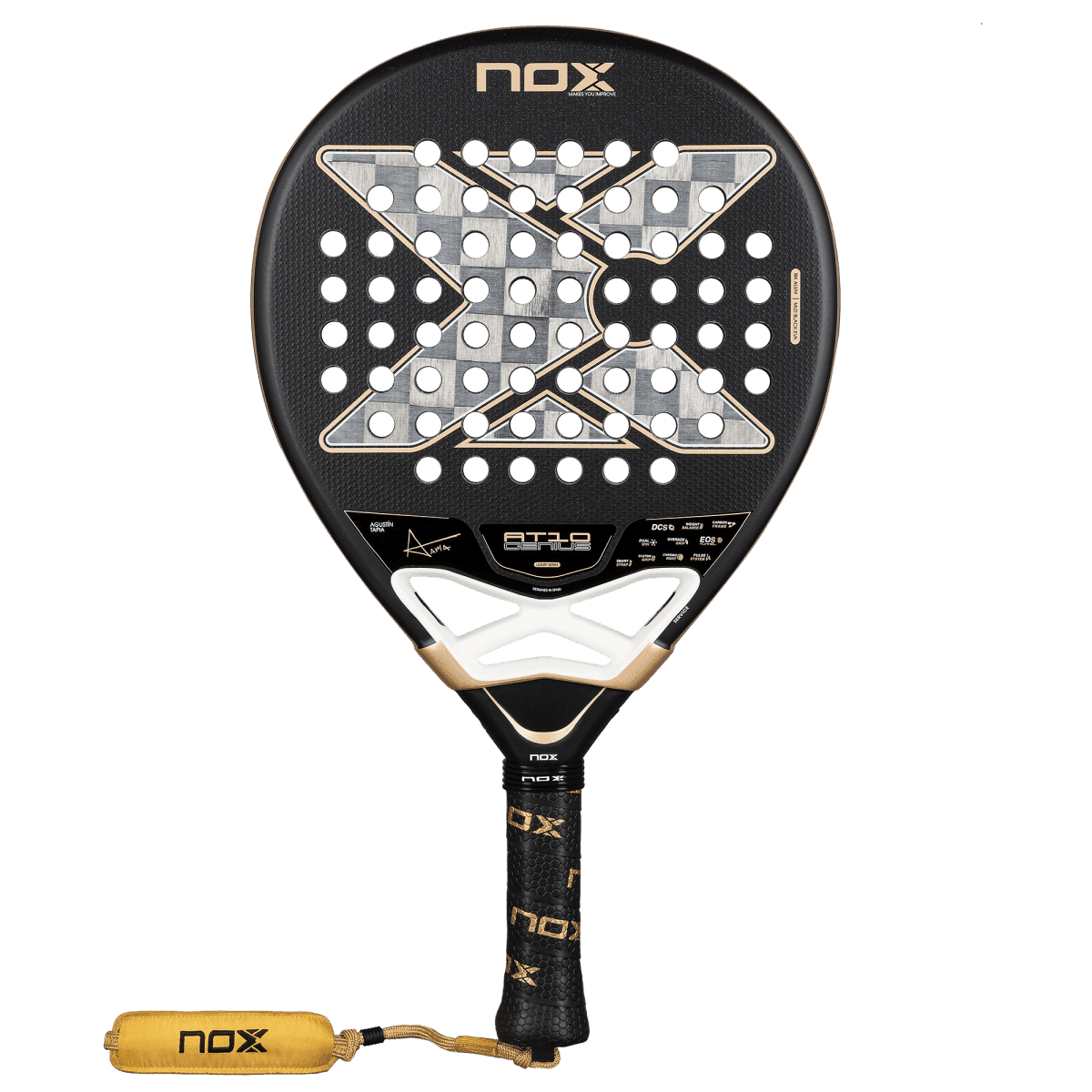
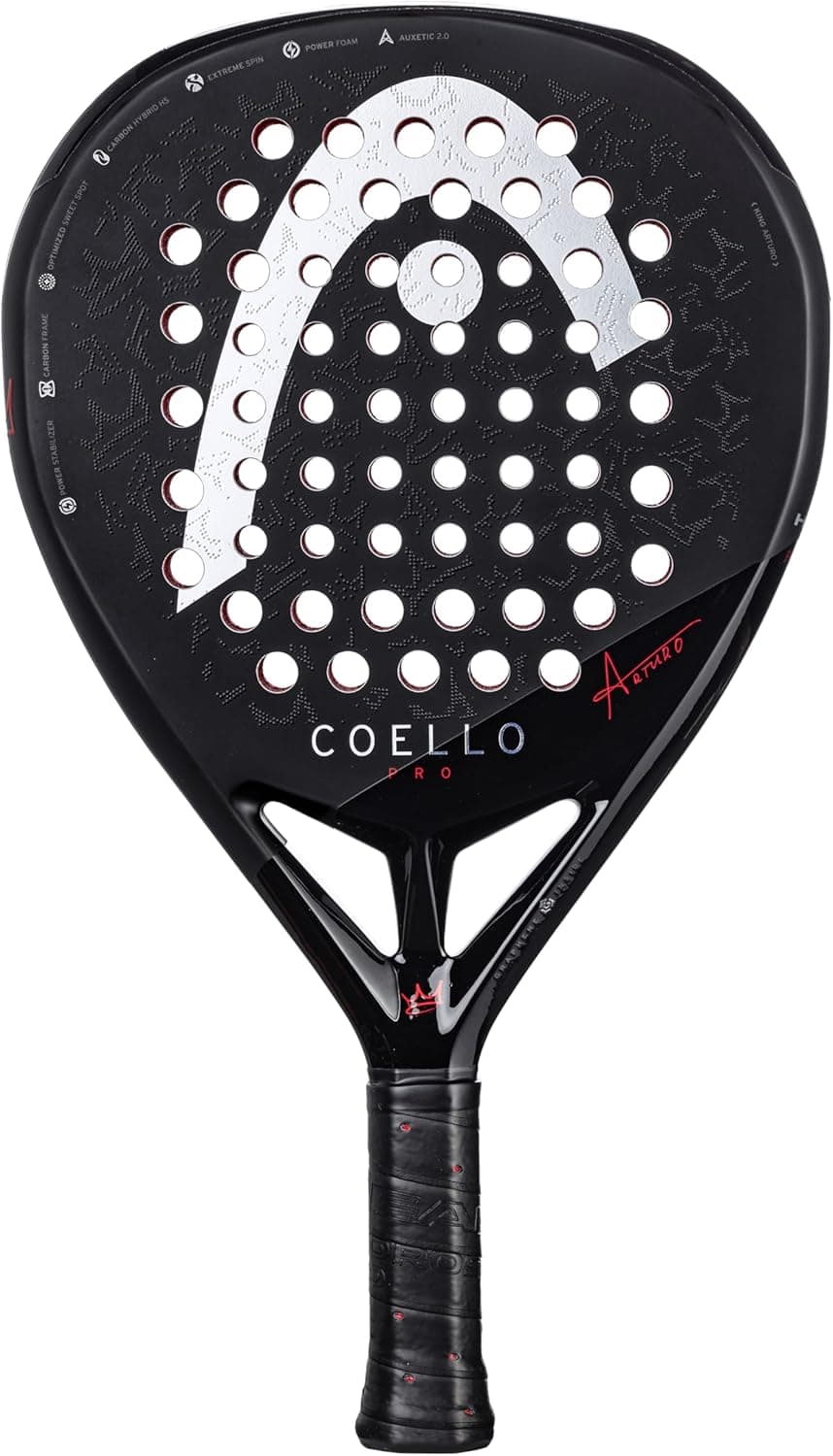
It is the same logic that separates one racket from another. Tapia plays the Nox AT10 Luxury Genius 18K Alum 2026 by Agustín Tapiafrom 169,90 €, a 360-375 g teardrop with a medium balance and 18K Alum carbon faces: the all-round mould par excellence. Coello uses the Head Coello Pro 2026from 142,11 €, also a teardrop but heavier (365-380 g), with 12K carbon and a foam core to add pop without losing the control point.
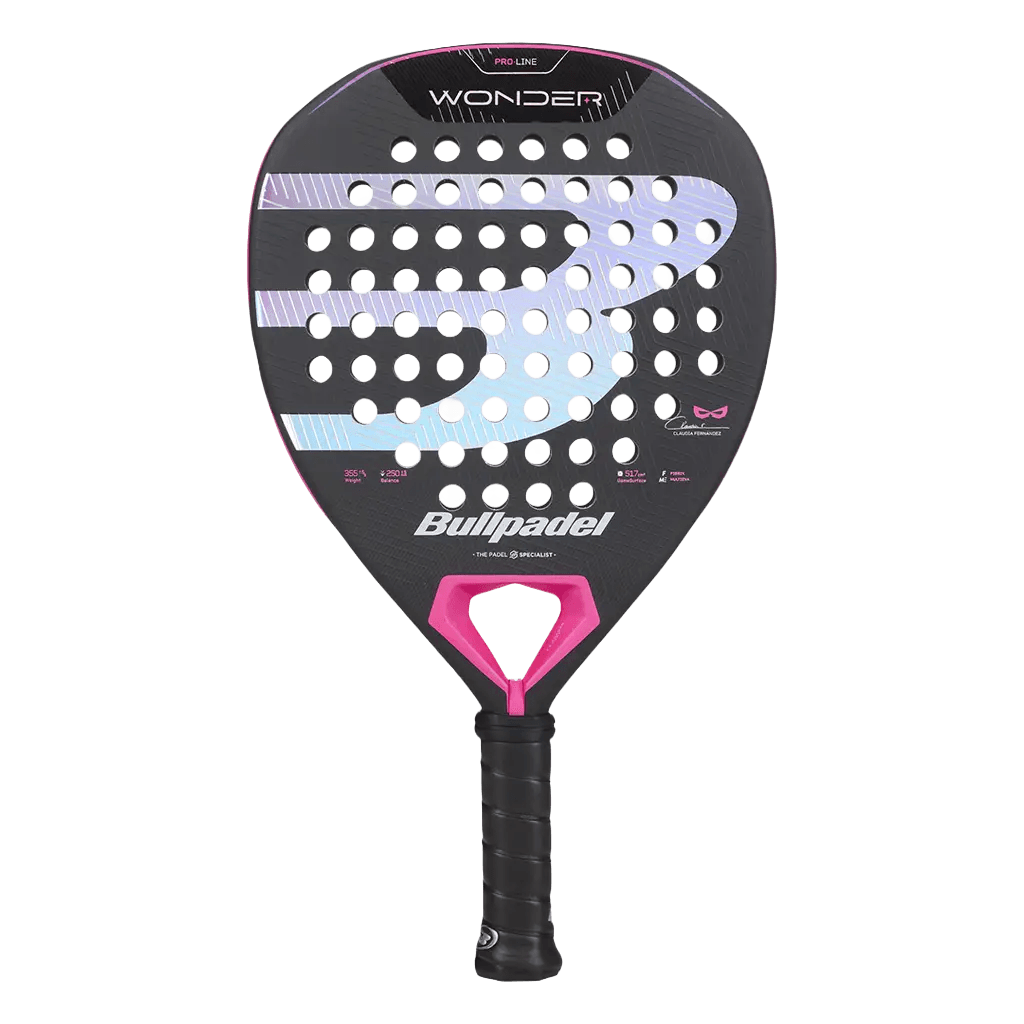
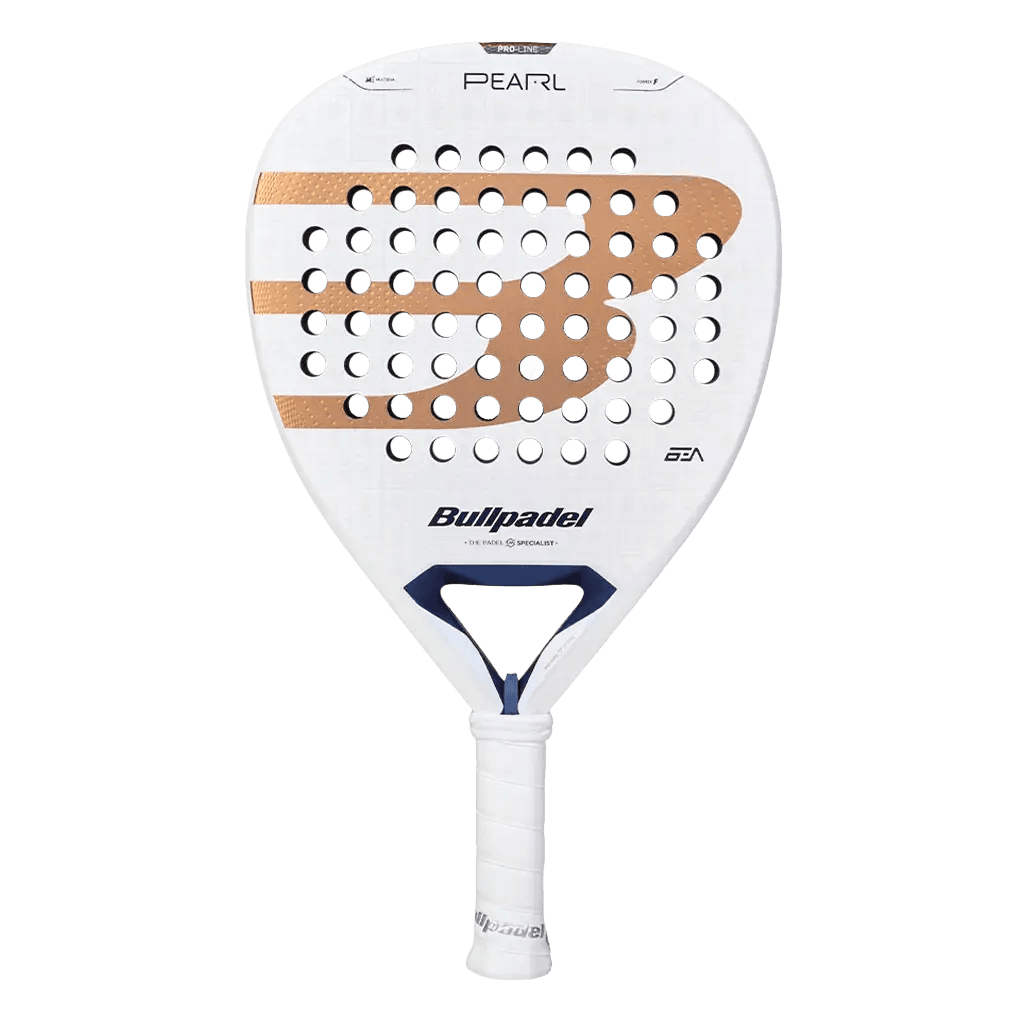
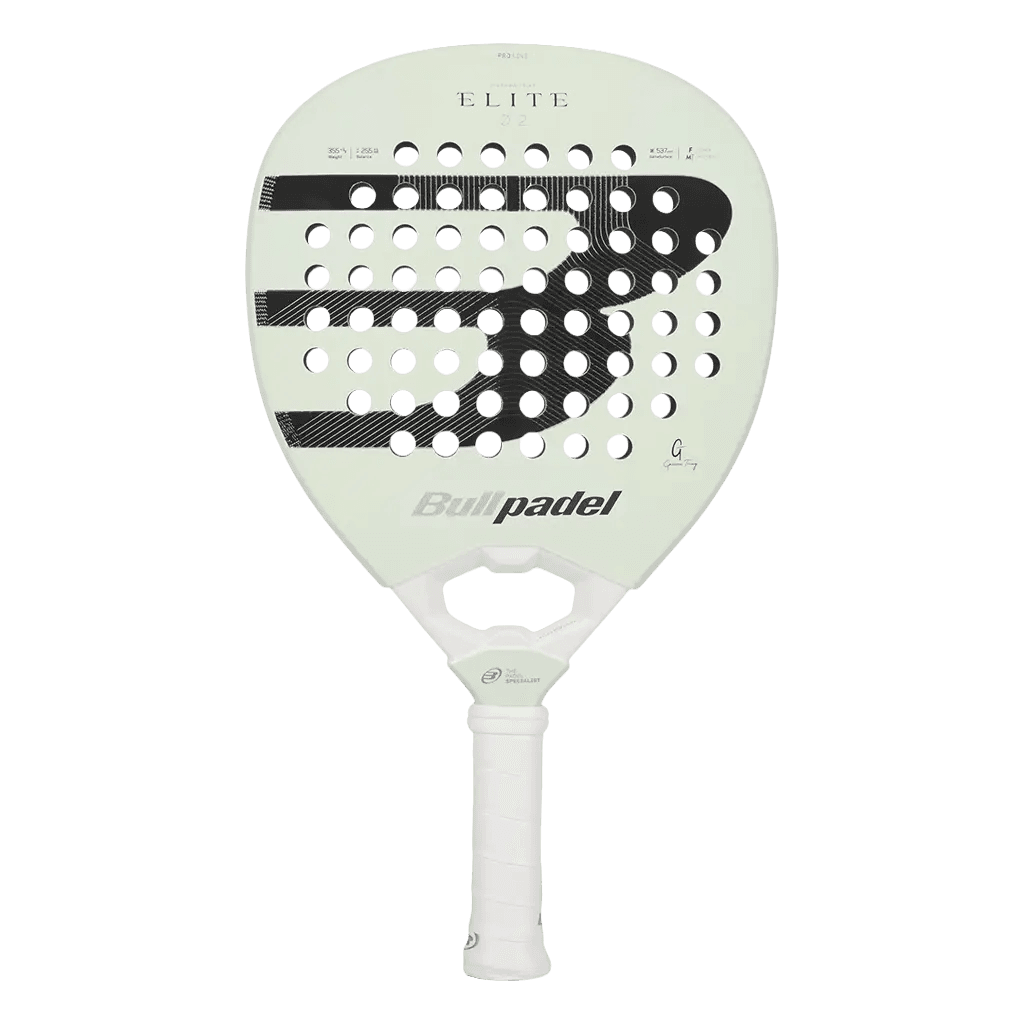
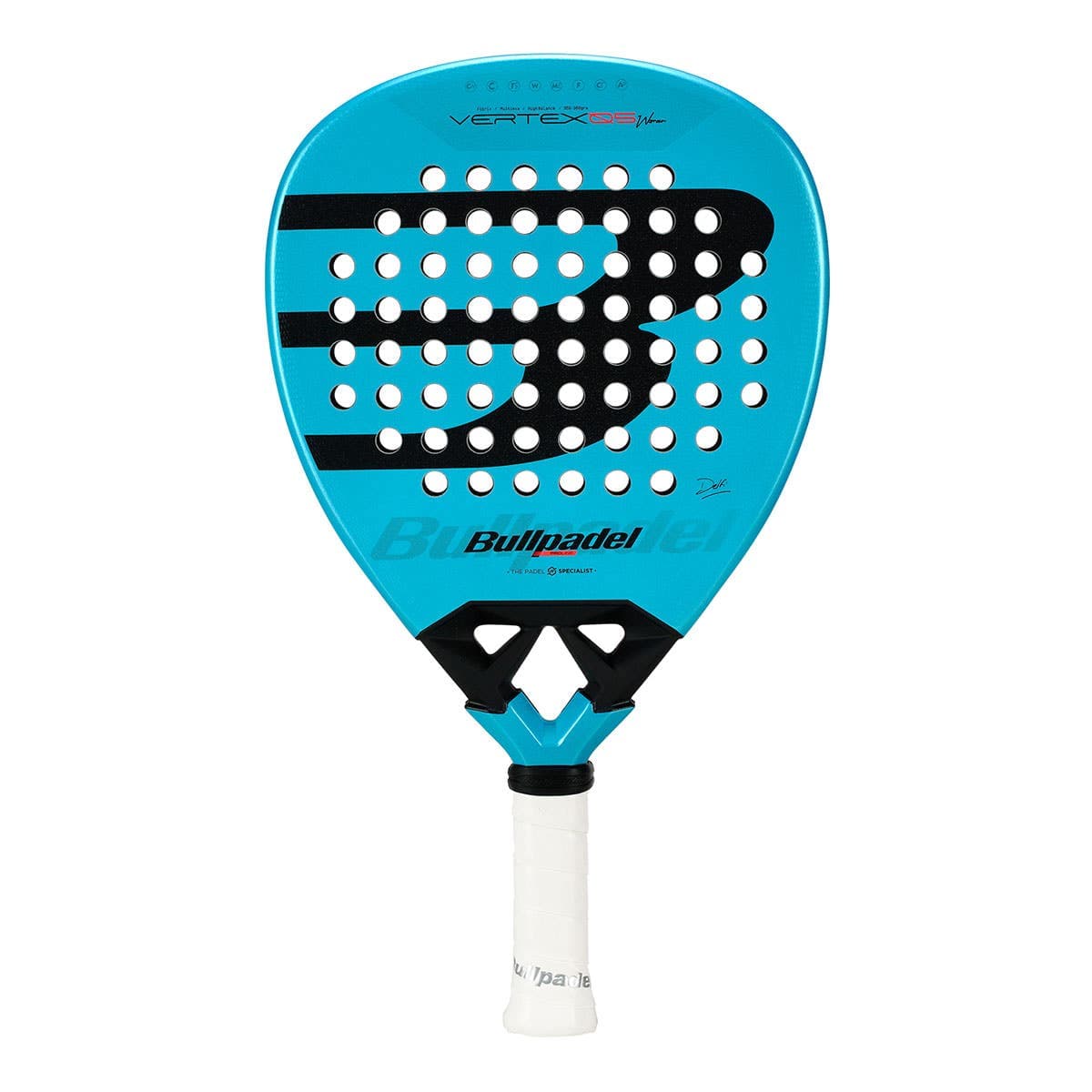
In the women's draw the spread is wider. Claudia Fernández competes with the Bullpadel Wonderfrom 210,95 €, a light 350-360 g hybrid with a 25 cm medium balance, a 517 cm² surface and a firm feel that lets her go from defence to attack without changing rackets. Gemma Triay uses the Bullpadel Elite 02from 241,99 €, a hybrid with 537 cm² and a 25.5 cm balance. Bea González, by contrast, goes for a diamond: the Bullpadel Pearl 2027from 215,99 €, 535 cm² and 355-365 g. And Delfi Brea, the other half of the No. 1 pair, plays the Bullpadel Vertex 05 Womanfrom 132,99 €, a light diamond with a medium-high balance.
If you are torn between shapes, the racket shapes guide explains which one fits your game, not the shop window.
The champion defends with a new partner
The 2025 women's final cannot be repeated as it was: Bea González and Claudia Fernández no longer play together. Fernández partners Martina Calvo this season — they won the Dubai P1, their third title of the year — while Bea plays with Paula Josemaría. The two halves of that title arrive in Acapulco by different roads and can only meet on court.
At the top, the fight for No. 1 continues: Triay and Brea need only to reach the semi-finals to seal it, per the maths published by Premier Padel, although part of the press puts the bar at the final. The discrepancy is still unresolved, and this tournament will settle it on its own.
How to follow it from Spain
Up to the quarter-finals, matches stream free on the Premier Padel YouTube channel; from then on, Red Bull TV depending on your country. The order of play is published every afternoon on the tour's official site.
With a seven-hour difference, an evening session in Acapulco is played in the small hours in Spain: the Sunday 29 finals land in the early hours of Monday. Tickets are digital only, with a weekly pass from 3,600 pesos. Organisers expect more than 35,000 spectators across the week and the broadcast reaches 247 countries.